
What are the advantages and disadvantages of rechargeable batteries?
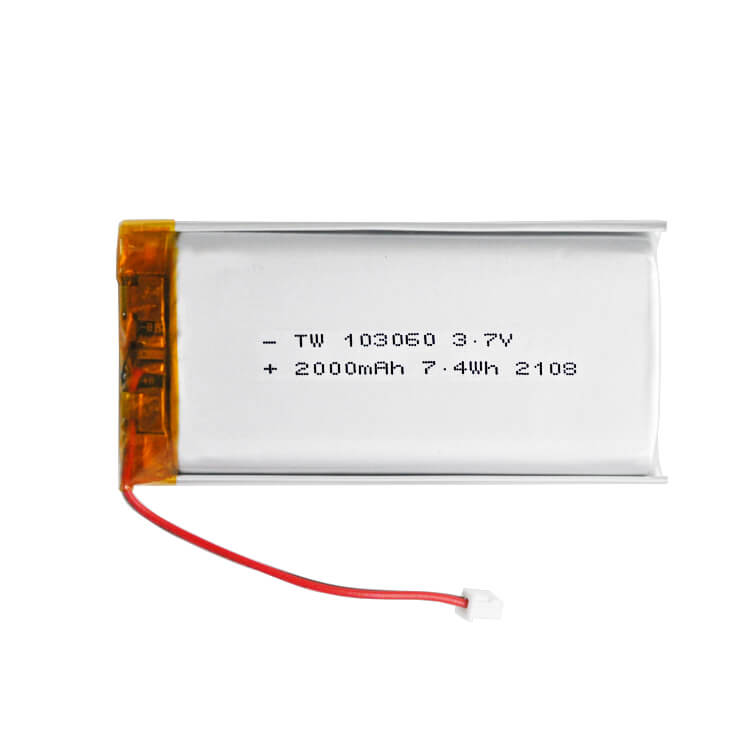
1. Rechargeable batteries have a long life and can be recycled more than 1000 times. Although the price is more expensive than that of dry batteries, it is more cost-effective if used frequently. The charging capacity of batteries is lower than that of alkaline manganese batteries or zinc-carbon batteries of the same specification, for example, they discharge faster.
2. Another disadvantage is that due to their nearly constant discharge voltage, it is difficult to predict when the discharge will end. When the discharge is finished, the battery voltage will suddenly decrease. If it is used on a camera, the battery will have to be terminated when it is suddenly discharged.
3. But on the other hand, the capacity that rechargeable batteries can supply is higher than that of too many primary batteries.4. However, Li-ion battery can be widely used in photographic equipment, because of its high capacity, high energy density, and gradually decreasing discharge voltage with the increase of discharge depth.
How does the rechargeable battery realize its energy conversion?

1. Each battery has the ability of electrochemical conversion, that is, the stored chemical energy is directly converted into electrical energy. As far as secondary electrons (also called batteries) are concerned (another term is also called rechargeable portable batteries), in the process of discharge, chemical energy is converted into electrical energy; In the process of charging, the electric energy is converted into chemical energy again. This process can be charged and discharged more than 500 times according to different electrochemical systems, while our product li-ion can be repeatedly charged and discharged more than 1000 times.